A Beginner’s Introduction to the Gin Bar NYC Scene
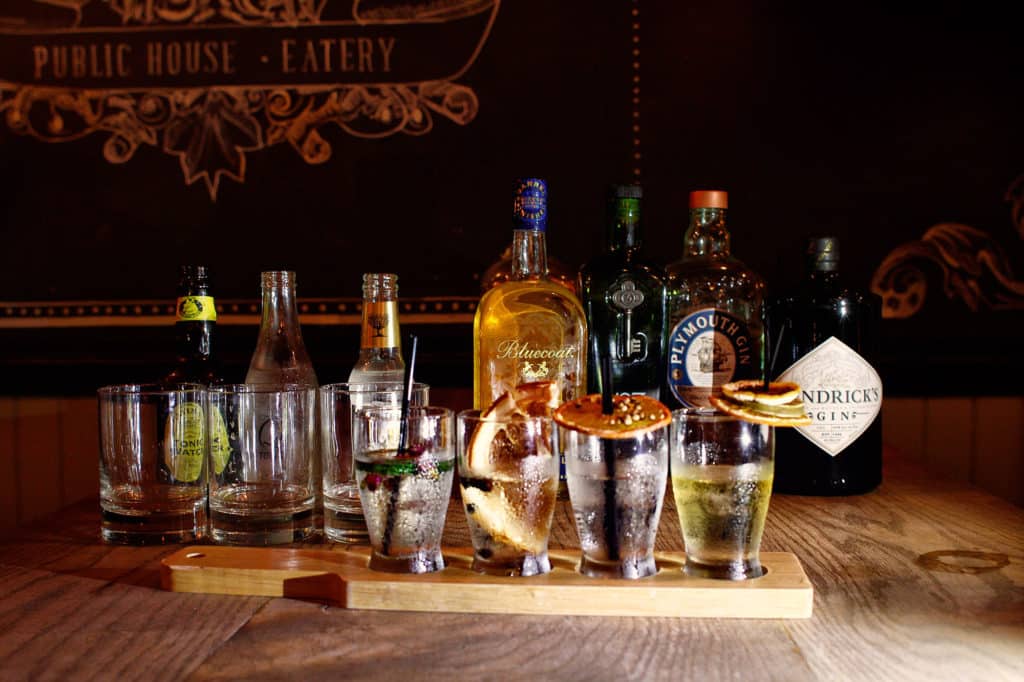
New York has never had trouble finding room for a drink. What changes, year to year, is the kind of drink people chase and the places that become reference points for it. For a long stretch, whiskey bars carried the prestige, then agave spirits surged, then low intervention wine took over certain neighborhoods. Through all of that, gin never really disappeared. It just waited for the city to catch back up to how versatile, fragrant, and frankly useful it can be in a glass.
For anyone curious about the Gin Bar NYC scene, the good news is that you do not need a trained palate or a notebook full of tasting notes to enjoy it. You need a little context, a willingness to ask a bartender one or two questions, and a basic understanding of what separates one style of gin from another. Once you have that, the category opens up fast. A proper gin bar can be one of the most rewarding places to drink in the city because it offers both structure and surprise. There is usually a sense of craft behind the menu, but also enough range to suit people who think they do not like gin at all.
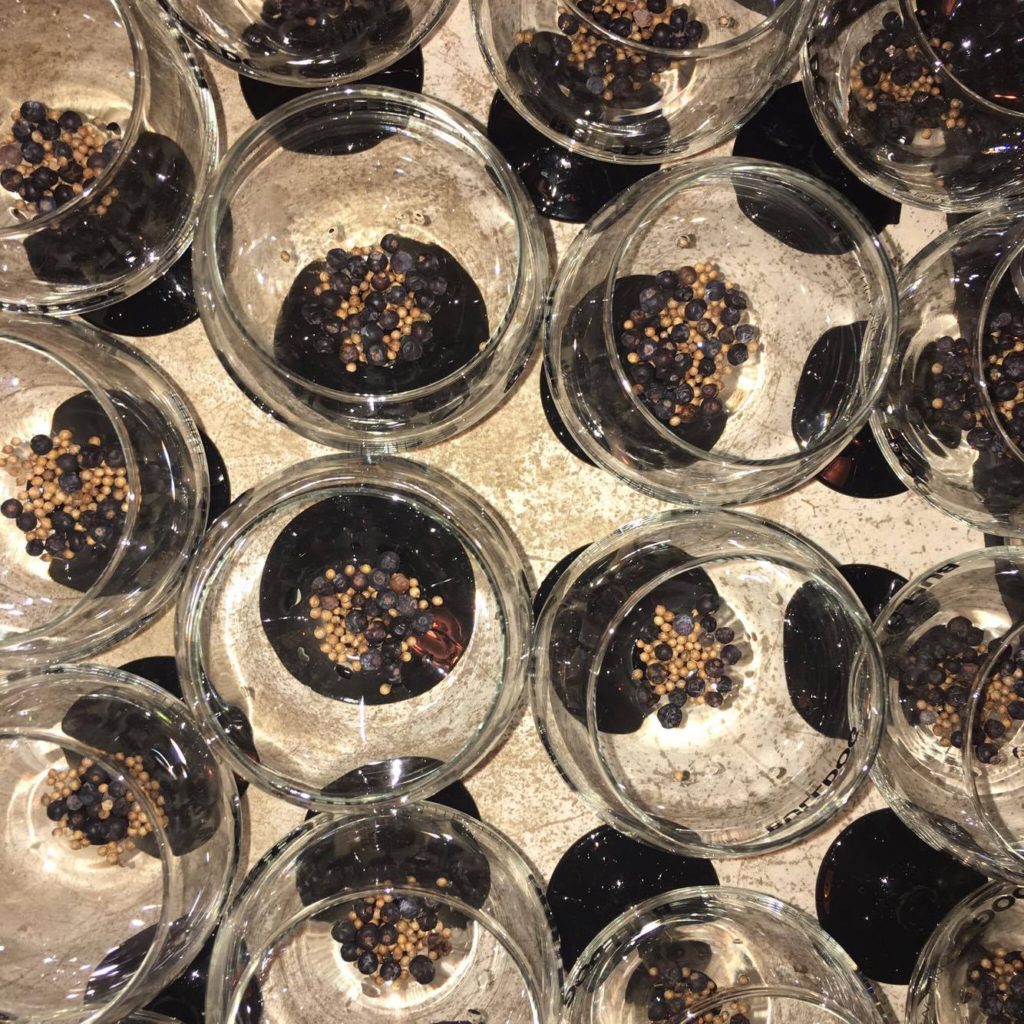
That hesitation is common. Many first-time gin drinkers carry a bad memory of one harsh martini, one over-poured gin and tonic, or one encounter with a spirit that tasted too much like a pine tree. In practice, gin is much broader than that. London dry is only one expression. Contemporary producers lean into citrus, herbs, flowers, spice, tea, cucumber, sea botanicals, and local ingredients. Even among classic bottles, the difference between juniper-led and softer, more aromatic styles can be dramatic.
In New York, that diversity matters because the city’s bar culture tends to reward specificity. A good wine bar does not just have wine. It has a point of view. A great cocktail bar does not just serve drinks. It edits them. The same holds true for a good gin bar. The strongest ones do more than stock several bottles on a back shelf. They build a program around gin’s strengths, train staff to explain those strengths clearly, and give guests more than one easy way in.
What makes a gin bar feel like a gin bar
This is worth clarifying because not every place with a few martinis qualifies. In practical terms, a true gin-focused bar usually shows its priorities in three places: the bottle selection, the menu design, and the bartender’s fluency.
The bottle selection should offer more than a row of familiar labels. You want to see variety in style and origin. A thoughtful bar might carry benchmark London dry gins, a few softer contemporary expressions, perhaps some navy strength options, and at least a handful of bottles that speak to regional or smaller producers. That range matters because gin behaves differently depending on what you order. A bracing martini built on a classic dry gin is a different experience from a gin highball made with a floral or citrus-heavy bottle.
Menu design matters just as much. When a bar takes gin seriously, it usually resists treating it as a one-note spirit. You will see classics, certainly, but also drinks that show why gin belongs in a modern program. Expect ingredients like vermouth, quinine, herbs, fruit peel, saline, tea, or bitter aperitifs. You may also notice that the bar offers multiple gin and tonic builds rather than one default version. That is often a sign that someone behind the stick understands how much garnish, tonic choice, ice quality, and glassware shape the final drink.
Then there is staff fluency, which might be the clearest tell of all. In a real Gin Bar NYC setting, bartenders can usually explain why one gin suits a martini while another shines in a Collins, a Negroni, or a tonic. They do not need to lecture. They just need to guide. If you say, “I want something crisp but not too piney,” and they immediately have two or three sensible suggestions, you are in capable hands.
The styles of gin you are most likely to encounter
Beginners often imagine gin as one thing with minor variations. That assumption makes bars feel more intimidating than they need to. In reality, the main styles are easy to understand once you taste them side by side.
London dry is still the backbone of many cocktail programs. Despite the name, it does not need to be made in London. The style is defined more by production rules and profile than geography. It tends to be dry, juniper-forward, and structured. Think of it as the clean, classic grammar of gin. When a bartender reaches for a bottle to make a proper martini or a precise, balanced Negroni, London dry is often the first move.
Plymouth-style gin, when available, usually feels a little rounder and earthier. It still works in classics, but it can come across as softer and less aggressively juniper-led. Some drinkers who swear they dislike gin are actually reacting only to sharper London dry expressions and end up liking a bottle in this style quite a bit.
Contemporary gin is where many beginners find their footing. These bottles often let citrus, floral, spice, or herbal notes take the spotlight while keeping juniper in a supporting role. They can feel more approachable in a gin and tonic and more expressive in seasonal cocktails. The trade-off is that not every contemporary gin plays well in every classic. A highly perfumed bottle might charm in a tall drink and fall flat in a martini.
Navy strength gin is the high-proof end of the spectrum, often bottled around 57 percent ABV. It can be terrific, especially in stirred drinks where you want intensity and structure, but it is not always the best place to start if you are new. More proof means more concentration. More concentration means botanicals hit harder. That can be thrilling or overwhelming, depending on your palate and the bartender’s pour.
There are also newer categories that blur lines, including local craft gins that emphasize unusual botanicals or terroir-inspired ingredients. Some of these are excellent. Some feel more interesting than delicious. That is normal in any creative category. A bar with judgment knows when to feature innovation and when to keep one foot planted in the classics.
Why New York suits gin especially well
New York’s drinking culture rewards spirits that can move between settings, and gin may be the most adaptable of them all. It works in elegant hotel bars, in tiny downtown cocktail dens, in neighborhood spots with ten stools and low lighting, and in brighter all-day rooms where someone might order olives before they order dinner. That flexibility gives gin a natural edge in the city.
There is also the matter of pace. New Yorkers often choose drinks that can meet the mood quickly. A martini is decisive. A gin and tonic, done right, is refreshing without being trivial. A Tom Collins can carry you through a summer afternoon. A Martinez or a Negroni can slow the evening down. Gin changes register easily. Few spirits can travel from aperitif to nightcap with so little strain.
Another reason the category thrives here is food. Good gin bars in New York tend to understand how well the spirit plays with oysters, crudo, salty snacks, citrus-dressed vegetables, fried food, charcuterie, and briny garnishes. A sharp, cold gin cocktail can cut through richness beautifully. It can also echo herbal notes in a dish better than many brown spirits can. If you have ever had a crisp gin martini with fries and aioli, or a bitter gin aperitif before seafood, you know how natural the pairing feels.
How to order confidently when you are new
The easiest mistake a beginner makes is pretending to Gin Bar NYC know more than they do. The second easiest mistake is freezing up because the menu feels too specialized. Neither is necessary. Good bartenders in this category usually appreciate directness.
If you are unsure where to start, tell them what you like in other drinks. Saying “I usually drink tequila and soda” or “I like citrus, herbs, and not too much sweetness” gives more useful information than saying “surprise me.” It helps the bartender map your taste onto the gin list without forcing you into a quiz.
A useful beginner order is the gin and tonic, but only if the bar takes it seriously. At a focused gin bar, this drink becomes a test of both the spirit and the program. The gin matters, of course, but the tonic matters too. So does the ratio. So does the garnish. A heavy-handed tonic can bury a delicate gin. Too much lime can flatten subtle botanicals. Poor ice melts fast and turns everything thin. When a bar gets this supposedly simple drink right, it usually gets other things right too.
The martini is the iconic order, but it helps to know what you are asking for. A very cold, very dry martini built with assertive gin can be wonderful, yet punishing if you are not ready for it. If you want the martini experience without the shock, ask for guidance. A 50-50 martini, which uses a more generous proportion of vermouth, can be a far more inviting entry point. It still tastes grown-up and precise, but it gives the botanicals room to breathe instead of dropping you straight into a chilled wall of spirit.
If bitter drinks appeal to you, gin’s partnership with Campari and sweet vermouth is one of the city’s most reliable pleasures. The Negroni remains popular for good reason. In the best hands, it balances the gin’s lift against bitterness and sweetness without letting any one element dominate. It is also a useful benchmark. If a bar can make a Negroni that feels vivid rather than muddy, its gin program is probably in good shape.
The bartenders’ perspective, and why it matters
People often underestimate how much a bartender shapes a gin experience. With whiskey, the bottle can do most of the talking. With gin, selection and handling are inseparable. Temperature, dilution, garnish, vermouth freshness, carbonation, and glass choice all show up immediately in the final drink.
I have watched countless guests change their minds about gin after one well-made pour. Usually the shift comes from a small correction. The martini is colder. The vermouth is fresher. The tonic has more bitterness and less syrupy sweetness. The garnish is a grapefruit twist instead of a tired lime wedge. The bottle chosen actually suits the drink. These are not glamorous details, but they are the difference between “I guess I don’t like gin” and “I did not know gin could taste like that.”
That is one reason the best Gin Bar NYC destinations tend to feel calm rather than performative. They may be stylish, but underneath that style is discipline. Staff know when to stir longer, when to lighten a garnish, when to steer a guest away from a floral gin if they want a textbook martini, and when to suggest a highball instead of a spirit-forward drink. Beginners benefit from that discipline more than anyone.
The flavors beginners usually like, and the ones that can take time
If you are brand new, certain flavor families are easier to embrace. Citrus-driven gins tend to land well because they feel bright and familiar. Herbal gins can work too, especially if you already like basil, rosemary, dill, or mint in food and drinks. Softer floral notes, when used carefully, can make gin seem less stern.
The more challenging side usually involves heavy juniper, black pepper, rooty botanicals, or very dry structures with little fruit or sweetness to cushion them. None of those qualities are bad. In fact, they are often what experienced drinkers love. But they can read as austere on a first encounter. That is why it helps to begin with a bartender-guided pour rather than choosing the boldest bottle on the shelf because the label looks nice.
It also helps to understand that your reaction can depend on format. A gin that feels too sharp neat or in a martini may become excellent with tonic and citrus. Another gin that sings in a Martini may disappear in a long drink. This is not inconsistency. It is the point. Gin is one of the most context-dependent spirits at a bar.
Neighborhood differences in the city’s gin culture
New York is too varied for a single type of gin bar to dominate. A polished hotel bar in Midtown or downtown may treat martinis as ritual, with crisp service, exact pours, and a room designed to make you sit straighter. In those settings, gin often shows up at its most refined. You are paying for atmosphere as much as liquid, and sometimes that is entirely worth it.
In Brooklyn or lower Manhattan neighborhood bars, you may find a looser, more exploratory approach. Menus can get more seasonal. Staff may feature smaller producers, house infusions, or playful twists on classics. Prices may be a little friendlier, though not always. The upside is access. You can often have a real conversation, taste something unfamiliar, and learn without feeling rushed.
Then there are bars that are not formally branded around gin but happen to excel at it. This matters for beginners because the best place for your first serious gin drink may not be a shrine to the category. It might be a strong cocktail bar with one bartender who cares deeply about martinis and a back bar built with intention. New York is full of places where the program reveals itself only if you know what to ask.
What to watch for on the menu
Reading a menu quickly becomes easier when you know the signals. If a bar lists the gin in each cocktail rather than simply naming the drink, that often suggests a more deliberate program. If it offers multiple martini styles or more than one tonic pairing, that is another good sign. Seasonal gin drinks can be promising too, particularly when they show restraint. A short ingredient list usually reads better than a chaotic one.
There are a few simple menu cues that tend to help beginners:
- Look for a classic section, because it usually reveals whether the bar respects gin’s foundations.
- Notice whether the menu names the actual gin used, which suggests intentional pairing rather than generic pouring.
- Check for a lighter, longer drink option such as a Collins, fizz, or tonic build if you do not want to start spirit-forward.
- Pay attention to garnish language, because details like lemon twist, grapefruit peel, or herbs tell you how the bar thinks about aroma.
- Ask whether a drink can be adjusted drier, brighter, or less bitter, since that answer often reveals how flexible and confident the staff are.
Those clues are not foolproof, but they are useful. If a menu reads like every bottle is interchangeable, the gin program probably is not the real point.
Price, value, and expectations
New York prices can distort expectations. A gin drink that costs more than it should in another city may still be entirely normal here once rent, labor, and location are factored in. That does not mean every expensive drink is justified. It does mean value should be judged by more than the number on the check.
At a serious gin bar, value often comes from curation and execution. If a bartender helps you avoid a poor match, pours with precision, uses fresh vermouth, and gives you a genuinely memorable drink, that has worth. The same goes for a strong by-the-glass selection or the chance to try a bottle you would never buy blind at retail.
For beginners, one smart move is to start with a lower-commitment format. Order a gin and tonic, a half-size tasting if available, or a lighter classic before jumping to a top-shelf martini. You will learn more from two different drinks than from one expensive pour that misses your palate entirely.
Common beginner misconceptions
The biggest misconception is that gin is always juniper-heavy and medicinal. Some are. Many are not. Another is that gin belongs only in old-fashioned classics. In truth, it may be the most adaptable spirit for modern cocktail menus because it brings both structure and aroma without the heaviness of barrel aging.
There is also a belief that liking gin requires liking martinis. It does not. Plenty of people enjoy gin in spritz-like serves, Collins variations, bitter aperitifs, and citrus-driven highballs while never warming to a bone-dry martini. That is perfectly normal. A spirit is not a loyalty test.
One more misconception deserves mention: that more exotic botanicals automatically mean a better gin. Sometimes unusual ingredients create beautiful complexity. Sometimes they create confusion. A simpler gin used well can outperform a more ambitious bottle every time. Balance still wins.
A practical first path through the Gin Bar NYC world
If you want a low-pressure way to explore the Gin Bar NYC scene, keep it simple. Go early in the evening when the room is quieter and staff have more bandwidth to talk. Sit at the bar if you can. Start with something tall and refreshing, then move into a classic if you feel curious. Ask one specific question instead of five vague ones. Something like, “Which gin would you use for someone who wants citrus and herbs, not too much juniper?” usually gets a far better answer than “What’s your best gin?”
After that, pay attention to what you actually enjoy. Was it the bitterness, the coldness, the garnish, the dryness, or the botanical aroma? Those details help you order better next time. Over time, you stop thinking of gin as a single category and start recognizing shapes within it. Crisp. Floral. Savory. Peppery. Round. Bracing. Once you can name those preferences, the city opens up.
That is the real appeal of New York’s gin culture. It rewards curiosity without requiring expertise on day one. A good gin bar can be elegant without being stiff, technical without being smug, and educational without turning your drink into homework. For beginners, that combination is ideal. The city gives you enough variety to find your lane, and the best bars give you enough guidance to enjoy the search.
The Winslow
243 E 14th St
New York, NY 10003, United States
Phone: +1 212-777-7717
FAQ About Gin Bar NYC
How to do a gin tasting?
Start with a small pour and gently smell the gin before taking a small sip. Notice its juniper, citrus, floral or spice notes, then compare how the flavor changes with a little water or tonic. At a gin bar, ask the bartender to explain the selection and botanical pairings.
How to make the best tasting gin and tonic?
Use chilled gin, fresh tonic and plenty of ice. A common starting ratio is one part gin to two parts tonic, adjusted to taste. Choose a garnish that complements the gin's botanicals and stir gently to preserve the bubbles.
What is the smoothest tasting gin?
There is no single smoothest gin for everyone. Perceived smoothness depends on the botanical recipe, alcohol strength, serving temperature and mixer. Describe whether you prefer citrus, floral, herbal or juniper-forward flavors so a bartender can suggest a suitable style.