How a Gin Bar Creates the Perfect Night Out
A memorable night out rarely happens by accident. It comes together through a series of small, deliberate choices that guests may not even notice in the moment. The right room temperature, the weight of the glass in your hand, the timing between one drink and the next, the volume of the music, the confidence of the bartender, the way citrus oils lift off the surface of a well-built cocktail, all of it matters. A good bar understands this. A great Gin Bar turns those details into a complete experience.
Gin, more than most spirits, invites that kind of craftsmanship. It is aromatic, layered, and responsive. It can read bright and sharp in one serve, soft and floral in another, savory and complex in a third. That range gives a Gin Bar unusual creative room. It also sets a higher standard. Guests are not simply ordering alcohol. They are stepping into a setting built around nuance, selection, hospitality, and atmosphere.
That is why the best gin-focused venues often feel so well suited to a proper evening out. They can Gin Bar handle the casual guest who wants a clean gin and tonic after work, the couple looking for a polished date-night setting, and the enthusiast who wants to compare styles from London dry to contemporary botanical expressions. Few concepts bridge ease and sophistication quite so naturally.
The appeal starts before the first drink
People often talk about bars as though the drink is the whole product. It is not. The drink is central, but the emotional experience begins the moment someone walks through the door. In a strong Gin Bar, the visual cues tell you almost immediately what sort of night you are about to have.
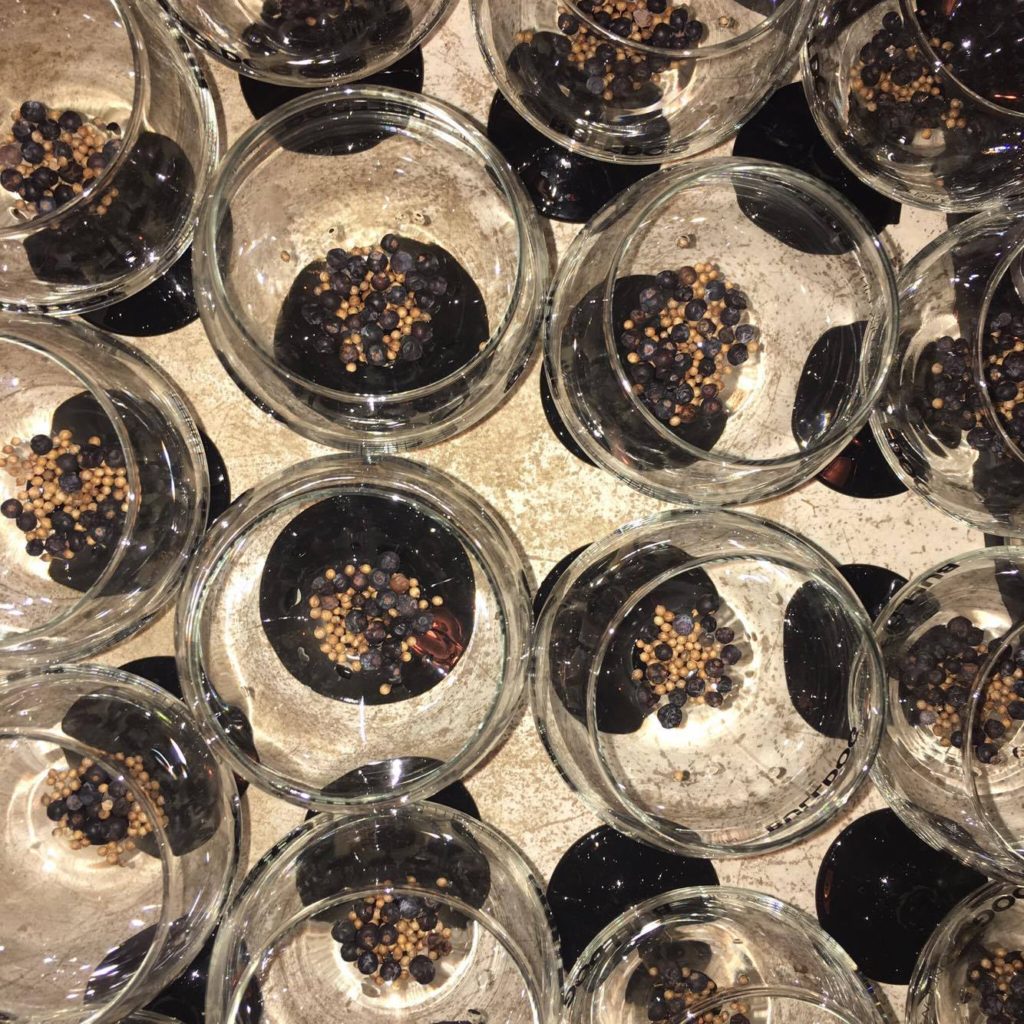
Backlit bottles create color and depth. Stemware and highballs are lined up with precision. Fresh citrus is visible rather than hidden away. Ice is treated as an ingredient, not an afterthought. You might notice sprigs of rosemary, pink grapefruit, green cardamom, cracked pepper, cucumber ribbons, or dehydrated garnishes arranged with care. None of this is decorative fluff when done properly. It signals standards.
The room itself often does quiet work. Many gin bars lean into a balance of energy and composure. They are lively without becoming chaotic. There is enough light to see your drink and enough dimness to flatter the room. Seating choices matter more than owners sometimes admit. Banquettes support longer conversations. Stools at the bar invite interaction with staff. High tables encourage movement and a more social flow. If the room offers all three, guests can settle into the kind of evening they want instead of adapting to a single rigid format.
That flexibility is one reason a Gin Bar lends itself so well to a full night out. It can start with an early aperitif, build into a meal or a round of cocktails, then ease into a slower finish. You are not pressured into one pace.
Gin rewards curiosity, and that changes the mood of the evening
Vodka bars can be sleek. Whiskey bars can be serious. Wine bars can feel intimate. A Gin Bar often carries a different kind of energy, one rooted in exploration. Gin has enough familiarity to feel accessible and enough variation to stay interesting.
Two bottles that look similar on the shelf can be dramatically different in the glass. One may lead with juniper and citrus peel, another with lavender, basil, sea herbs, or spice. Even the same gin can present differently depending on tonic choice, garnish, temperature, dilution, and glass shape. For guests, that means there is almost always something new to try without straying into obscure territory.
This matters socially. Shared discovery gives people something to talk about. A date goes better when there is a natural conversation point. A group ordering different serves can compare notes. A solo guest sitting at the bar has an easy opening with staff. “Why did you pair this tonic with that gin?” is the sort of question that can lead to a genuinely enjoyable exchange, not a rehearsed sales pitch.
There is also less intimidation than people sometimes expect. Wine lists can feel coded and hierarchical. Whiskey menus can reward prior knowledge. Gin, when presented well, invites interest rather than performance. A bartender can guide a guest from “I usually like something fresh and not too sweet” toward a drink that feels tailored rather than prescribed. That is hospitality at its best.
The gin and tonic, done properly, is a full experience
It is easy to underestimate the humble gin and tonic because it is so familiar. In a mediocre venue, it can be forgettable, a quick pour over melting ice with a generic garnish. In a serious Gin Bar, it becomes a statement of intent.
A proper serve starts with temperature. The glass should be cold. The gin should be measured accurately. The ice should be abundant and dense enough to chill without collapsing too quickly. Tonic should be fresh, lively, and selected to complement the spirit rather than dominate it. A strong bartender knows that tonic is not neutral. Some skew dry and bitter, some are softer, some carry stronger quinine, some are built around Mediterranean herbs or citrus notes.
Then there is garnish. This is where many bars either become lazy or performative. The best approach is thoughtful restraint. A peel of grapefruit can brighten a citrus-forward gin. A thin ribbon of cucumber can amplify freshness in a softer style. A cracked pod of cardamom can add lift when it suits the base spirit. Overloading the glass with half the produce drawer may look dramatic on social media, but it often muddies the drink and makes it harder to enjoy.
What impresses seasoned guests is not extravagance. It is control. A balanced gin and tonic tastes crisp at the first sip and still tastes coherent ten minutes later. That kind of consistency says more about a bar than almost any menu description can.
Bartenders shape the night as much as the menu
A well-run Gin Bar depends heavily on human judgment. Menus help. Bottle selection matters. Design matters. But service determines whether the evening feels polished or merely expensive.
The bartenders who excel in gin-focused venues tend to share a few strengths. They can read preference quickly. They know how to explain flavor without drifting into jargon. They understand when a guest wants detail and when they simply want reassurance. They move with efficiency but not haste. Most importantly, they respect the spirit enough to make clean, balanced drinks every time.
I have seen bars with extraordinary back bars fail because the team treated guests like a captive audience for their expertise. I have also seen modest rooms with a shorter list become local favorites because the bartenders listened carefully and remembered people. If a guest returns and a bartender says, “Last time you liked the more citrus-led serve, I’ve got one you should try tonight,” that interaction does more for loyalty than any interior design feature.
Good staff also manage pacing. That is one of the least discussed and most important aspects of a successful night out. Guests should not wait so long that the energy drops, and they should not be served so fast that the evening burns out in ninety minutes. In a proper Gin Bar, the team understands rhythm. An aperitif before a stronger stirred drink. A refreshing highball after something spirit-forward. A little breathing room when conversation deepens. These choices make the night feel effortless, even though they are not accidental.
A focused menu keeps quality high
One of the strengths of a Gin Bar is its ability to specialize without becoming narrow. A broad generalist cocktail bar may offer everything from espresso martinis to tiki drinks to smoky old fashioneds, sometimes with mixed results. A gin-led program can edit more carefully and execute with greater precision.
That does not mean every drink needs to taste similar. Quite the opposite. Gin is one of the most versatile cocktail bases in the bar. It can carry bitter aperitifs, fresh herbs, fruit, tea, saline notes, vermouth, sparkling wine, and a surprising range of savory ingredients. The best menus use that flexibility to create progression.
A guest might begin with a clean Collins-style drink built around lemon and a dry tonic lift. Then move to a martini variation with restrained dilution and a fragrant twist. Later, they might try something more adventurous, perhaps a gin cocktail built with fino sherry, green strawberry, or basil seed, depending on the season and the bar’s style. The thread is not sameness. It is coherence.
That coherence is what makes the whole evening feel curated. Rather than reading a menu packed with random crowd-pleasers, guests sense that someone has thought about how drinks relate to one another and how they will be experienced over time. That is especially valuable for groups with different tastes. One person can order bright and refreshing, another can go savory and spirit-led, and both still feel part of the same place.
Food plays a bigger role than many people expect
A night out built around gin improves dramatically when the food program understands the same principles as the bar. It does not need to be elaborate. In fact, simpler often works better. The key is alignment.
Gin’s botanical profile pairs particularly well with briny, herbal, and lightly spiced foods. Good olives, citrus-cured fish, oysters, crispy potatoes with aioli, charcuterie, fried bites with bright sauces, and cheeses that are flavorful without being too heavy can all work beautifully. The point is not to create a formal tasting menu. It is to support the drinks, extend the evening, and keep guests comfortable.
Too many bars either ignore food or overcomplicate it. A minimal but thoughtful menu usually performs better. Guests do not want a full dining-room interruption when they are in cocktail mode, but they do want options that let them stay another hour without fading.
When food is integrated well, it changes behavior in the room. People settle in. They order a second or third round with more confidence. Conversations lengthen. The night becomes less transactional. That is often the difference between a bar people visit once and a bar they return to regularly.
Music and noise decide whether people stay
You can lose a great night to poor sound faster than almost any other operational mistake. If the room is too loud too early, guests shorten their stay. If the music is too flat, the energy never lifts. The best Gin Bar operators understand that volume is not atmosphere. Texture is.
Early evening usually benefits from more space in the soundtrack. Guests are arriving, talking, orienting themselves. Later, a little more momentum helps. But the ideal is usually a room where conversation remains easy at close range. Gin has a certain elegance to it, and bars built around it often succeed when they preserve enough clarity for social connection.
Hard surfaces can create a harsh acoustic bounce if not managed. Soft furnishings, curtains, upholstered seating, even bottle displays can all help absorb some of that energy. These details are not glamorous, but they are practical. A room that sounds good feels more expensive than one with a bigger fit-out budget and worse acoustics.
Noise also affects taste more than people realize. When guests are rushed, shouting, or distracted, subtle drinks get lost. If a bar is putting real thought into botanicals, dilution, and garnish pairings, the environment needs to give those details a chance to register.
The perfect night out is really about progression
What sets a great Gin Bar apart is not one signature cocktail or one photogenic shelf. It is the way the evening unfolds. The best nights have shape.
They begin with anticipation. You arrive and the room feels promising. The first drink is immediate enough to settle you in, but thoughtful enough to signal quality. As the night develops, each choice feels easy. A bartender offers the next drink based on what you actually enjoyed, not what they need to push. The food lands at the right moment. Music rises without taking over. Time stretches pleasantly.
This progression matters because people do not remember nights out as a series of isolated transactions. They remember how the whole thing felt. Did the setting encourage conversation? Did the service make the group feel taken care of? Did the drinks stay interesting? Did the room have life without becoming stressful? A Gin Bar, when run well, is particularly good at delivering those conditions because the spirit itself supports variation without chaos.
One of the smartest operational decisions I have seen in this category is the use of menu language that guides mood rather than only flavor. Instead of overloading guests with technical descriptors, some bars quietly group drinks by feel, perhaps crisp and bright, aromatic and floral, savory and complex, strong and spirit-led. That helps people choose according to the kind of evening they want. A person ordering their second drink at 9:30 p.m. Is often choosing a mood as much as a recipe.
Small decisions separate a good bar from a great one
Guests may never articulate why one place feels better than another, but they notice the results of disciplined decisions. A serious Gin Bar tends to stand out in a handful of practical ways:
- Glassware suits the serve rather than following a visual trend.
- Ice quality stays consistent even during the busiest hour.
- Garnishes are cut fresh and used with intention.
- Staff ask useful questions instead of reciting scripts.
- The menu balances familiar options with a few drinks that reward curiosity.
None of these choices are dramatic on their own. Together, they build trust. Guests relax when they sense that the bar is in control. They order more confidently, linger longer, and leave with the feeling that their night was worth the money.
There are trade-offs, of course. A highly curated bar can become too precious if it forgets that hospitality should feel comfortable. A giant gin selection can become dead weight if staff cannot guide guests through it. A gorgeous room can still disappoint if the drinks arrive warm or the service turns stiff. Perfection lies in balance, not excess.
Why gin works for so many kinds of guests
Part of the staying power of a Gin Bar comes from the breadth of the audience it can serve. Gin is one of the few categories that can support both tradition and novelty at the same time. Someone who wants a dry martini made with discipline can be just as satisfied as someone chasing a seasonal cocktail with herbs and fruit. That is commercially smart, but it is also socially useful.
Mixed groups often struggle to find a place that feels right for everyone. Beer-centric venues can leave cocktail drinkers cold. Loud party bars can frustrate anyone hoping to actually talk. Formal fine-dining lounges can feel too heavy for a spontaneous meet-up. A good Gin Bar can sit in the middle. It offers enough sophistication for an occasion and enough ease for a casual drop-in.
That versatility becomes especially valuable in urban nightlife, where people often want one venue that can carry them through multiple phases of the evening. A place for a first date that might stretch into dinner. A meeting point before a show that turns into a late catch-up. A Friday stop that starts with one drink and becomes three because the room feels right. Gin bars often succeed here because they are built around range rather than a single-note identity.
The final measure is how people feel when they leave
After years in hospitality, I have become skeptical of bars that talk more about concept than comfort. Guests do not return because a venue has a story. They return because the story translates into a night they genuinely enjoyed. A strong Gin Bar understands that every design decision, every bottle on the shelf, every garnish choice, and every service interaction should lead toward one simple result: people should want to stay, and they should be glad they came.
The perfect night out is not loudest, rarest, or most expensive. It is the one where details support pleasure instead of competing for attention. Gin happens to be an ideal spirit for that kind of experience. It offers freshness without simplicity, complexity without heaviness, and familiarity without boredom. In the right hands, it creates a setting where conversation flows, drinks remain interesting, and the evening develops at exactly the right pace.
That is why the best Gin Bar does more than pour excellent cocktails. It orchestrates mood, movement, taste, and timing. It gives people space to discover something new while still feeling completely at ease. And when all of those elements align, the result is not just a good drink. It is the kind of night people try to recreate, often without ever quite knowing why this one worked so well.
The Winslow
243 E 14th St
New York, NY 10003, United States
Phone: +1 212-777-7717
FAQ About Gin Bar
How to do a gin tasting?
Start with a small pour and gently smell the gin before taking a small sip. Notice its juniper, citrus, floral or spice notes, then compare how the flavor changes with a little water or tonic. At a gin bar, ask the bartender to explain the selection and botanical pairings.
How to make the best tasting gin and tonic?
Use chilled gin, fresh tonic and plenty of ice. A common starting ratio is one part gin to two parts tonic, adjusted to taste. Choose a garnish that complements the gin's botanicals and stir gently to preserve the bubbles.
What is the smoothest tasting gin?
There is no single smoothest gin for everyone. Perceived smoothness depends on the botanical recipe, alcohol strength, serving temperature and mixer. Describe whether you prefer citrus, floral, herbal or juniper-forward flavors so a bartender can suggest a suitable style.