How Craft Spirits Shine at a Gin Bar NYC
A strong gin program does not happen by accident. It comes from selection, restraint, technical skill, and a clear point of view. In a city where bars compete on every front, from interior design to social buzz, the places that last tend to offer something more durable than novelty. They know what is in the glass, why it belongs there, and how to present it in a way that respects both the spirit and the guest.
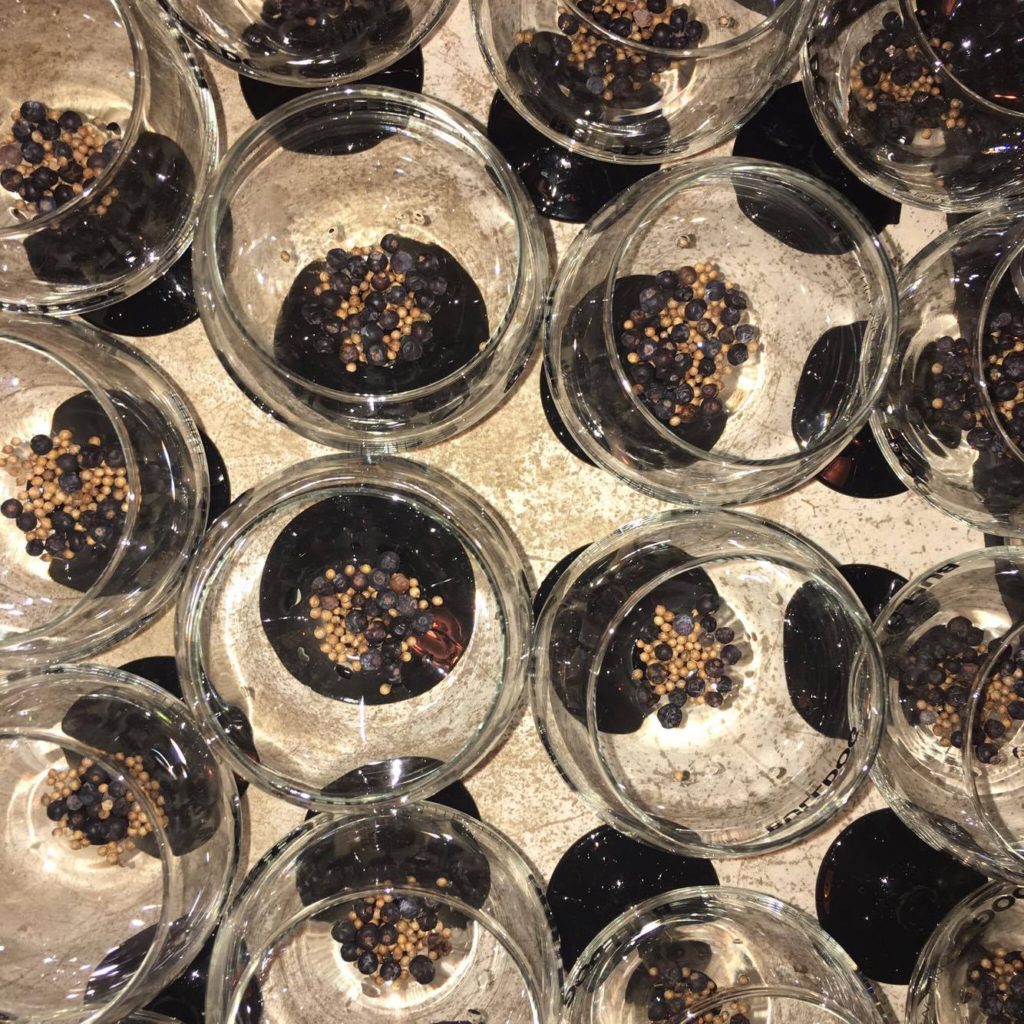
That is especially true at a Gin Bar NYC drinkers return to. Gin asks more of a bar than vodka does. It is more aromatic, more opinionated, and far less forgiving of lazy mixing. It can smell of juniper and pine, sure, but also lemon peel, coriander, angelica, iris root, pepper, olive, seaweed, chamomile, basil, rosemary, or cucumber, depending on the producer. A bartender who understands craft spirits knows that gin is not one category. It is a family of spirits with very different personalities, and each one shines under different conditions.
The recent rise of craft distilling has made that reality impossible to ignore. A decade or two ago, a bar’s gin shelf could be respectable with a handful of London dry standards, one softer contemporary label, and perhaps an Old Tom for classics. Today, craft producers have expanded the field. They work with regional botanicals, smaller stills, unusual base spirits, and more precise extraction methods. The best of them are not trying to be eccentric for attention. They are trying to make spirits with identity.
At a serious gin bar, that effort shows.
What “craft” actually means behind the bar
The term “craft spirits” gets stretched until it nearly loses meaning, so it helps to be specific. In practice, a craft gin usually reflects a higher degree of production intention. The distiller may source grain carefully, redistill in smaller batches, or build a botanical recipe that says something coherent rather than simply piling on flavors. Some craft houses lean into local agriculture. Others focus on traditional methods and better raw materials. Not every small producer is excellent, and not every larger producer lacks character. Scale alone tells you very little.
From the bar side, what matters is whether the spirit tastes distinct, balanced, and usable. I have tasted plenty of tiny-batch gins that sounded compelling on paper and fell apart in the glass. Too much lavender, and the drink starts reading like soap. Too much citrus, and the finish disappears. Too much root bitterness, and the martini feels blunt instead of clean. The best craft gins do something much harder. They deliver a house style that remains recognizable while still leaving room for a bartender to shape a drink around it.
That point often gets missed by guests who assume rare equals better. A thoughtful bar program does not stock obscure bottles to prove how adventurous it is. It stocks bottles that earn their place. If a gin can only work in one novelty cocktail and clashes with tonic, vermouth, and citrus, it may be interesting, but it is not necessarily useful. The bars with mature spirits programs understand the difference between curiosity and backbone.
Why gin rewards precision more than many other spirits
Gin is often described as versatile, and that is true, but versatility is not the same as ease. Whiskey can absorb some dilution and still present clearly. Tequila often carries enough savory structure to cut through a few minor imbalances. Rum, depending on style, can charm its way through a little extra sweetness. Gin is different. Its appeal is aromatic definition. Once that definition gets muddled, the drink loses what made it worth ordering.
A martini is the clearest example. Two gins at the same proof, stirred for the same length of time, with the same vermouth ratio, can produce dramatically different drinks. One will open with clean juniper and citrus, then settle into a dry, mineral finish. Another may throw floral notes first, then fade too fast once chilled. A third may seem promising until the olive garnish crushes its subtler botanicals. These are not academic distinctions. They change whether the guest orders a second round.
Craft spirits sharpen these decisions because they often carry more specific botanical signatures. That can be a gift in a skilled bar. It can also expose weak technique. If a bar uses a highly expressive gin and then drowns it in heavy tonic, aggressive syrup, or decorative garnish that perfumes the rim with unrelated aromas, the spirit’s value disappears. Good bars know when to let a craft gin speak and when to frame it with just enough support.
The shelf is the first act of hospitality
You can learn a lot about a gin bar before the first sip. The shelf tells you whether the program was built with intent or assembled from distributor pitches. A good Gin Bar NYC regulars respect usually carries a range of styles rather than a wall of labels that all occupy the same lane. You want to see classic London dry, softer modern gins, perhaps a navy strength option, maybe an Old Tom, and a few regionally expressive craft bottles that offer something distinct.
But range is only part of the picture. The better bars also know how to position those bottles. Bartenders should be able to explain, in plain language, what makes one gin brighter, greener, more savory, or more spice-driven than another. Not a rehearsed speech, not a lecture, just practical guidance. “This one is excellent in a Martini because it stays crisp and linear.” “This bottle loves tonic because the citrus lifts.” “If you like a Gibson, Gin Bar NYC use the gin with more backbone because the onion will push back.” That kind of advice saves guests from ordering by label recognition alone.
I have seen bars with forty gins and no real gin culture. The menu was vague, the staff defaulted to whatever sold fastest, and the classics all tasted roughly the same. I have also seen bars with twelve carefully chosen bottles produce sharper, more memorable drinks because every selection had a reason to be there. Curation matters more than inventory count.
Martini culture is where craft spirits prove themselves
A cocktail menu can hide a lot. A martini cannot.
When a bar builds a serious martini program, craft spirits move from talking point to test case. The base spirit becomes the center of the experience, not just one ingredient among six. Guests notice texture, salinity, aroma, proof, and finish. They notice whether the vermouth tastes fresh. They notice whether the drink arrives cold enough, whether the dilution is exact, whether the garnish supports or hijacks the spirit.
This is where thoughtful craft gin selection becomes visible. A juniper-forward gin with a dry, peppery spine can make a magnificent 50/50 martini if paired with a vermouth that adds lift rather than sugar. A more floral gin may work better in a very dry build or with a twist instead of an olive. A savory gin can produce a compelling Gibson, but only if the pickled onion is restrained and clean, not vinegary enough to flatten everything else.
The staff’s judgment matters as much as the bottle. There is no universal “best gin martini.” There is only the best martini for that gin, that guest, and that moment. Some nights call for icy austerity, almost architectural in shape. Others call for something a touch rounder, with enough vermouth to let the botanicals bloom. A good bar reads that distinction quickly.
One of the most useful signs of experience is when a bartender asks one or two simple follow-up questions instead of performing expertise. Do you want something crisp and classic, or more aromatic? Twist, olive, or Gibson? Up to a point, do you want the gin to dominate or to share the stage with vermouth? Those questions reveal confidence. They also help craft spirits shine in a way guests can actually feel.
Tonic is not a minor decision
For all the attention paid to martinis, gin and tonic remains one of the clearest windows into a bar’s standards. On paper, it looks forgiving. In reality, the drink is all about proportion, carbonation, temperature, and aromatic alignment.
Craft gin can thrive in a G&T, but only if the tonic respects it. Many bars still use tonics that are too sweet or too loud, with quinine and citrus notes that steamroll subtler botanical work. That may be fine for a robust, piney gin that wants a fight. It is far less effective with delicate contemporary craft styles built around herbs, flowers, or softer spice.
Glassware matters here more than people think. A large cold glass preserves carbonation and gives the nose room to pick up aromatics. Ice quality matters even more. Wet, fractured ice melts fast and robs the drink of shape. A proper pour matters too. Some gins want a leaner tonic ratio so the spirit leads. Others need more length and brightness. The garnish should finish the sentence, not start a new paragraph. A grapefruit peel for a citrus-led gin makes sense. A forest of mint, berries, cucumber ribbons, and dehydrated wheels often does not.
At the best bars, the G&T feels effortless because all these choices have already been made with care. The guest receives a drink that tastes simple and exact, which is usually the result of a lot of invisible discipline.
Local identity and the appeal of regional botanicals
One reason craft spirits resonate in New York is that the city has always responded to products with a sense of place. Even in a dense urban market, people care about where something comes from and why it tastes the way it does. Gin, with its botanical flexibility, is especially good at carrying that identity.
A distiller working in the Northeast may pull in local citrus alternatives, coastal herbs, wildflower notes, or orchard elements. Another might emphasize traditional juniper and coriander but source grain in a way that creates a softer mouthfeel. These details do not automatically make a spirit better, but they do make it more legible. You can taste decisions.
For a Gin Bar NYC audience, that sense of origin can be a real advantage. New Yorkers tend to be curious but impatient. They appreciate complexity, but they do not want to sit through a ten-minute brand story every time they order a drink. Regional craft gin, when selected well, gives them an immediate handle. This one is savory and maritime. That one leans bright and green. Another lands spicy and dry with a long finish. Identity becomes sensory rather than promotional.
There is also a practical upside for bars. Distinctive local or regional bottles can set a menu apart without resorting to gimmicks. If a bar can offer guests a martini or highball experience that they cannot quite replicate elsewhere, that is meaningful differentiation. Not louder, just more specific.
The bartender’s role as editor, not just maker
A craft spirits program succeeds when the bar team acts like editors. They do not simply pour what is available. They decide what deserves attention and what format best reveals it.
Sometimes that means saying no to a drink idea that sounds attractive but does the bottle no favors. I have tasted many cocktails built around interesting craft gins that would have improved instantly if one ingredient had been removed. A syrup too many. A liqueur too floral. A smoke rinse that impressed on paper but erased the gin’s own perfume. Restraint is part of expertise.
Sometimes it means using a familiar template and trusting the spirit to provide the newness. A Southside with a brighter, more herbaceous gin can feel transformed without becoming unrecognizable. A Negroni made with a more structured craft gin can stand taller against bitter and sweet components. A French 75 can go from merely celebratory to genuinely elegant when the base gin holds its line under citrus and sparkling wine.
The bars that do this best usually keep their menus readable. They may offer a concise house martini selection, a few gin-led classics, and one or two seasonal drinks where a craft bottle gets room to show a different side. They are not trying to prove how clever they are. They are trying to help the guest taste the point.
Price, value, and the reality of the back bar
Craft spirits cost more, and that shapes every decision. Guests notice when a martini crosses a certain price threshold. Bars notice when a bottle with a beautiful label moves slowly because only a few staff members know how to sell it. This is where romance meets inventory control.
A good gin bar handles that tension honestly. It may pour premium craft gins in measured formats that protect margins without shortchanging the drink. It may reserve certain bottles for martinis and spirit-forward serves where their character remains clear, rather than burying them in mixed drinks. It may train staff to offer guided substitutions rather than automatic upcharges.
There is also a question of value perception. Guests are often willing to pay more for a spirit they can actually taste. They are less forgiving when a high-end gin disappears into a muddled build. That is one reason classics matter so much in premium spirits programs. They justify the bottle.
From the operator’s side, there is no virtue in stocking expensive craft labels nobody orders. Smart bars rotate. They test. They listen. If a gin is admired by staff but ignored by guests, it may need a different serve, a better story, or a graceful exit from the shelf.
Atmosphere matters more than people admit
The phrase Gin Bar NYC can conjure a lot of different rooms. A polished hotel lounge with deep banquettes. A narrow downtown bar with quiet music and serious ice. A bright neighborhood spot where the gin and tonic arrives in a generous stemmed glass and the bartenders know half the room by name. All of those can support craft spirits, but each changes how those spirits are received.
Context shapes taste. A precise freezer-cold martini feels different in a dim, disciplined room than it does in a high-volume party setting. Neither is inherently wrong, but the service style has to match the beverage ambition. If a bar wants to champion nuanced craft gin, it needs enough calm in the system for nuance to survive. That does not mean the room must be hushed. It means the operation must be under control.
Lighting, music, pacing, glassware, and staff confidence all matter because gin is sensory and volatile. Aroma reaches the guest before the first sip. If the room is chaotic and the service rushed, those fine distinctions the distiller worked for can vanish. The best gin bars create conditions where the drink can land.
How guests can tell whether a gin bar is serious
You do not need industry training to spot quality. Watch what happens around you. Are martinis arriving properly cold, with clean surfaces and fresh garnishes? Does the bar store vermouth carefully and move through it fast enough to keep it lively? Can staff describe the house gins without hiding behind jargon? Does the gin and tonic taste balanced from first sip to last, or does it collapse into sweetness and meltwater halfway through?
One useful clue is whether the bar seems interested in your preferences rather than in pushing its own script. Serious bars guide. They do not bully. If you say you love a classic juniper profile, they should not steer you toward the weirdest floral bottle in the room just because it is new. If you usually drink vodka martinis but want to explore gin, they should find a bridge, not stage a conversion ritual.
Another clue is consistency. A real program survives the second visit, the busy Friday, the different bartender. Anyone can make one excellent drink under ideal conditions. The better measure is whether the standards hold when the room fills up.
Why craft gin continues to thrive in New York
New York remains one of the best places in the country to appreciate gin because the city rewards both tradition and refinement. Guests here still order martinis with conviction. They still care about classics. At the same time, they are open to regional distillers, unusual botanicals, and more expressive spirits if the quality is there.
That balance makes the city fertile ground for thoughtful gin bars. There is room for the old-school room that executes a textbook martini and room for the contemporary bar that introduces guests to craft bottles with a real sense of identity. The strongest programs often combine both instincts. They honor the canon, then use craft spirits to deepen it rather than discard it.
When that happens, gin stops being a default and becomes a lens. You can taste production choices, service discipline, and bar philosophy all in one glass. A well-run gin bar turns that complexity into pleasure. It makes the guest feel taken care of while quietly demonstrating just how much care went into the drink.
That is where craft spirits truly shine. Not on a backlit shelf, not in a sales pitch, but in the moment the glass reaches the table and the aroma rises cleanly before the first sip. In that instant, all the decisions matter: the bottle selected, the ratio chosen, the temperature hit, the garnish pared to purpose. At a great Gin Bar NYC drinkers trust, those decisions add up to something rare in any category, a drink that feels both exact and generous at once.
The Winslow
243 E 14th St
New York, NY 10003, United States
Phone: +1 212-777-7717
FAQ About Gin Bar NYC
How to do a gin tasting?
Start with a small pour and gently smell the gin before taking a small sip. Notice its juniper, citrus, floral or spice notes, then compare how the flavor changes with a little water or tonic. At a gin bar, ask the bartender to explain the selection and botanical pairings.
How to make the best tasting gin and tonic?
Use chilled gin, fresh tonic and plenty of ice. A common starting ratio is one part gin to two parts tonic, adjusted to taste. Choose a garnish that complements the gin's botanicals and stir gently to preserve the bubbles.
What is the smoothest tasting gin?
There is no single smoothest gin for everyone. Perceived smoothness depends on the botanical recipe, alcohol strength, serving temperature and mixer. Describe whether you prefer citrus, floral, herbal or juniper-forward flavors so a bartender can suggest a suitable style.