The Best Celebratory Toasts to Make at a Gin Bar NYC
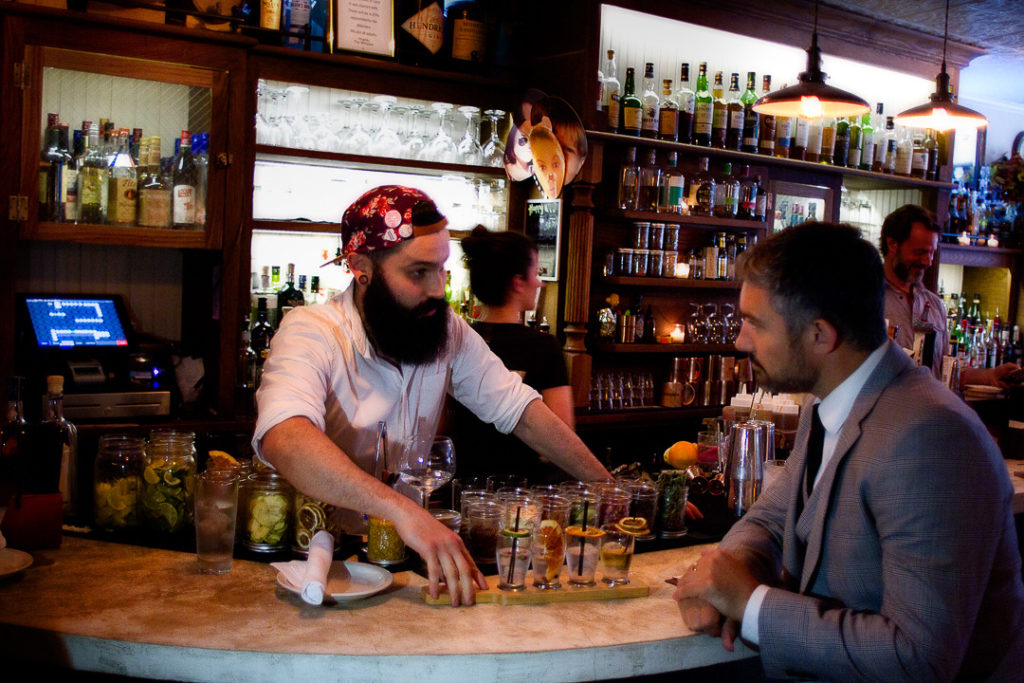
A good toast does two jobs at once. It marks the moment, and it sounds like it belongs in the room. That second part matters more than most people realize, especially in a Gin Bar NYC crowd, where the atmosphere tends to be sharper, more social, and a little more style conscious than the average night out. People notice wording. They notice timing. They also notice when someone stands up with a glass, clears their throat, and proceeds to give a speech that belongs at a retirement dinner instead of over a cold martini.
The best celebratory toasts in a gin bar are short, warm, and slightly polished. Gin itself shapes the mood. Whiskey bars often invite heavier, more reflective language. Champagne invites sparkle and speed. Gin sits in a different place. It can be festive, but it also has structure. Juniper, citrus, herbs, florals, bitter edges, clean finishes, all of that makes gin feel crisp and intentional. A toast in that setting works best when it feels the same way.
New York adds another layer. In the city, people gather fast and often for a reason. Promotions, engagements, reunions, birthdays, opening nights, closings, wins after long negotiations, first dates that quietly turn into something worth celebrating. A toast at a gin bar in Manhattan, Brooklyn, or the West Village does not need to be louder than the room. It needs to fit it.
Why gin bars change the tone of a celebration
A lot of people think any celebratory line can be delivered anywhere, as long as the drink is raised high enough. That is how you end up with wedding style declarations in a room built for low light and elegant conversation. Gin bars usually reward precision. The menus tend to be curated. The bartenders often care about vermouth ratios, tonic pairings, citrus oils, and glassware. Even when the room is lively, there is usually a sense of intention to the experience.
That changes what sounds natural.
At a rooftop gin bar, a toast can carry more lift and glamour. In a quiet back room with vintage stemware and house made bitters, a more restrained line lands better. In a busy downtown spot where half the room is celebrating something, the winning toast is often the one that takes ten seconds, earns a smile, and gets everyone back to drinking while the ice is still cold.
I have watched people miss that balance in both directions. Some try too hard and become theatrical. Others get so worried about sounding cheesy that they reduce the whole thing to “cheers, everybody,” which wastes the opportunity. The sweet spot is brief but specific. It should sound like you know why everyone is there.
The anatomy of a toast that actually works
A memorable toast does not need grand language. It needs three elements: a clear reason, a human note, and a clean finish. If any one of those is missing, the line usually falls flat.
The clear reason is simple. What exactly are we celebrating? If it is a birthday, say whose and, if it fits, what makes this one matter. If it is an engagement, speak to the couple, not to the institution of love in the abstract. If it is a promotion, mention the work that led there. Specificity gives a toast weight.
The human note is where the warmth lives. That might be admiration, relief, affection, pride, gratitude, or even shared survival after a brutal quarter at work. This is often a single phrase rather than a long explanation. “To your patience, your nerve, and the fact that you never lost your sense of humor” has more life in it than a full minute of generic praise.
The clean finish is what allows people to raise their glasses together. If your last sentence trails into a side story, people will not know when to clink. A great toast has an obvious landing point.
That is one reason gin bars are such a good setting for them. The drink in hand already feels composed. A neat line suits it.
What not to do when the room is dressed in juniper and glass
The most common mistake is making the toast about yourself. This happens constantly. Someone begins by celebrating a friend, then drifts into a personal history, then into a joke with only two people at the table, then into a long reflection on “what friendship means.” The room gets polite. The cocktails warm up. Nobody wins.
A second mistake is talking too long because the room is beautiful. A polished bar can seduce people into performance. They hear the music, see the candlelight, feel the mood, and decide they are in a film. What they actually need is restraint. In a crowded New York bar, a toast under twenty seconds is often ideal. Thirty seconds can work. After that, you are spending social capital.
The third mistake is forcing humor. If you are naturally funny, fine. If not, do not borrow a wedding joke from the internet and drop it between a gimlet and a French 75. Gin bars can be playful, but they are unforgiving of canned lines.
Toasts that suit the setting
When people ask for the Gin Bar NYC “best” toast, they usually want wording they can actually use. The strongest lines have enough shape to feel elevated, but enough flexibility to adapt on the fly. These are the kinds of toasts that sound right over coupe glasses, highballs, or a very cold martini.
- To good taste, good timing, and the people who make both look easy.
- To the win we hoped for, the work it took, and the company worth celebrating it with.
- To you, to this night, and to more reasons to meet here again.
- To love that feels steady, laughter that comes easily, and a bar good enough for the occasion.
- To the next chapter, may it be bold, clear, and very well mixed.
These lines work because they are broad enough for birthdays, promotions, engagements, and reunions, but they still have flavor. They also Gin Bar NYC fit the cadence of a gin bar. The language is clean. Nothing sprawls.
That said, the best version is often one step more personal. If your friend finally opened her studio after two years of delays, say that. If your brother survived his first season running a restaurant, say that. If the person being celebrated always orders a perfect martini and somehow also manages to keep every group together, say that. One concrete detail transforms a competent toast into a memorable one.
Matching the toast to the kind of celebration
Not every occasion deserves the same note. A birthday toast in a Gin Bar NYC setting can be witty and bright. An engagement toast can be more tender. A professional milestone benefits from confidence without sounding like a quarterly review. The room should guide the tone as much as the event itself.
For birthdays, the winning move is often to celebrate the person’s character rather than their age. Age based jokes can work among close friends, but they date quickly and can miss the mark. A line like “To a year with better stories, slower Sundays, and more nights exactly like this one” feels festive without becoming sentimental mush.
For promotions and work victories, sincerity matters more than cleverness. In New York, plenty of people celebrate professional milestones in bars because that is when they can finally exhale. A good toast recognizes effort. “To the work nobody saw, the standards you kept anyway, and the result you earned” lands because it respects the grind.
For engagements, there is always a temptation to become poetic. Resist the urge to sound like a card shop. The better move is to honor the couple as themselves. If they are stylish, worldly, and a little mischievous, your toast can reflect that. “To a partnership with great judgment, strong pours, and enough humor to last a lifetime” feels affectionate without becoming syrupy.
For reunions, the energy shifts again. Here, people want recognition of time and continuity. You can go simple: “To old friends, excellent timing, and the fact that it still feels easy.” That works because it is true.
The role of the drink in the words you choose
One underused trick is to let the style of gin drink quietly shape the toast. Not in a corny way, and not as a gimmick. Just enough to connect the glass to the moment.
A martini invites cleaner, drier language. It pairs well with confidence, understatement, and a little sophistication. If everyone is drinking martinis, a clipped line with a polished finish tends to sound right.
A gin and tonic crowd often allows for a lighter, more relaxed tone, especially in summer or on a rooftop. There is room for brightness there, something airy and social. A French 75 or a sparkling gin cocktail leans more festive and can support a toast with more lift.
I once watched a host celebrate a friend’s book launch at a downtown gin bar by simply saying, “To sharp instincts, better sentences, and the courage to publish both.” Everyone was drinking martinis. It fit perfectly. Nothing about it was loud, but it carried.
That is the level to aim for. Not precious, not random, just tuned to the moment.
A little New York goes a long way
The best toasts in the city often carry a trace of New York without naming every borough in sight. This is not about forcing local references. It is about acknowledging pace, ambition, and the pleasure of stealing a worthy evening from a crowded calendar.
A toast in New York can benefit from economy. The city respects people who know what they are doing. If your words are clean, people hear confidence. If they ramble, people feel it immediately.
There is also something to be said for a toast that recognizes how hard it can be to gather everyone in one place. In a city where schedules collide and reservations matter, even getting the group into the same room can feel like a small triumph. A line like “To a night we actually made happen, and to the people worth rearranging the week for” often draws a real reaction because it names a truth everyone in the room knows.
That is part of what makes a Gin Bar NYC setting so good for celebrations. It feels special without demanding formality. It gives you elegance without stiffness. A toast should mirror that balance.
When short beats clever
People often overestimate how original a toast needs to be. It does not need to be novel. It needs to be apt. You are not writing literature. You are giving the room a shared sentence.
In fact, the shortest toasts are often the strongest if they have shape. “To earned joy.” “To your next yes.” “To staying lucky and getting better.” These are not flashy, but they can be exactly right in the moment. If the room is already emotionally full, brevity shows confidence.
The edge case is when the group expects a bit more ceremony. A milestone birthday, a proposal dinner with family, a long planned reunion, those may deserve two or three sentences rather than one. Even then, think measured, not monumental.
One test I always recommend is this: if you cannot say the toast in one calm breath and know exactly where the glasses rise, trim it.
Etiquette that keeps the moment graceful
A celebratory toast only feels elegant if the delivery matches the words. You do not need old school rules for every situation, but a few habits help.
- Wait until everyone has a drink, even if a few are nonalcoholic.
- Stand only if the group is large or the occasion is formal enough to warrant it.
- Make eye contact with the person or people being honored before you address the room.
- Keep the glass at chest level, not waving overhead.
- End clearly, then drink.
These details matter more in a gin bar than in a louder, more casual setting because the room usually carries a certain polish. Good service, good glassware, and a well made drink invite a little composure. You do not need to be stiff. You just want to avoid turning a nice ritual into a scramble of interruptions and half heard punch lines.
How to write a toast on the spot without sounding unprepared
If you are put on the spot, there is a practical formula that works almost every time. Start with the reason for the gathering. Add one true thing about the person or people being celebrated. Finish with a forward looking line. That is enough.
For example, suppose a friend just landed a hard won role after months of auditions. You might say, “We are here because you earned this. You kept your standards high when it would have been easier to bend them. To the part, to the future, and to finally enjoying the night.” That is not complicated, but it sounds like you meant it.
Or imagine a couple announcing an engagement over drinks at a neighborhood gin bar. You could say, “You make commitment look calm, generous, and fun, which is rarer than people admit. To building a life with the right person, and to celebrating it properly.” Again, simple, clear, suited to the room.
What makes this work is not verbal fireworks. It is judgment.
Personalization without oversharing
The finest toasts include a detail, but not every detail belongs in public. This is especially true in New York bars, where tables are close, private rooms are not always fully private, and some celebrations involve mixed groups of friends, family, and colleagues.
If you are choosing a specific detail, go for one that reveals admiration rather than private history. Their consistency. Their generosity. Their style under pressure. Their loyalty. Their wit. Their resilience after a difficult year. Those details feel intimate enough to matter but broad enough to include everyone at the table.
A bad version would be an inside joke that excludes half the group or a story that begins with “Remember that night in Miami?” and immediately puts everyone else on the outside. A better version would be “You have a rare gift for making every room feel easier,” or “You kept going when the outcome was not guaranteed.” Those lines honor the person without creating collateral discomfort.
If you want a touch of wit, keep it dry
Gin and dry wit have always made a sensible pair. If humor is part of your group’s style, use it with a light hand. The room does not need a roast. It needs a smile.
A smart toast can carry a soft joke in the final phrase. “To your excellent judgment, which tonight includes choosing this bar.” Or, “To the happy couple, may your disagreements always be smaller than your martinis.” The humor is there, but it does not eclipse the sentiment.
What you want to avoid is the joke that becomes the whole point. Once the room laughs at the line rather than feeling the celebration, you have changed the function of the toast.
The best toast is often the one people remember later
Most people will not remember the exact bottle on the back bar or the garnish in the second round, at least not years from now. They may, however, remember the sentence that marked the night. That is why a good toast matters. It can be small and still become part of the memory.
A well judged line does something subtle. It tells the room, “This was worth naming.” At a gin bar, with the right glass in hand and the city humming just outside, that naming can feel particularly sharp. Not overblown. Not sentimental for its own sake. Just clear.
So if you are planning a celebration at a Gin Bar NYC location, think less about impressing people and more about fitting the moment. Keep the words clean. Make them specific. Let the occasion breathe. Then raise the glass, hold the room for a beat, and give them something worth drinking to.
The Winslow
243 E 14th St
New York, NY 10003, United States
Phone: +1 212-777-7717
FAQ About Gin Bar NYC
How to do a gin tasting?
Start with a small pour and gently smell the gin before taking a small sip. Notice its juniper, citrus, floral or spice notes, then compare how the flavor changes with a little water or tonic. At a gin bar, ask the bartender to explain the selection and botanical pairings.
How to make the best tasting gin and tonic?
Use chilled gin, fresh tonic and plenty of ice. A common starting ratio is one part gin to two parts tonic, adjusted to taste. Choose a garnish that complements the gin's botanicals and stir gently to preserve the bubbles.
What is the smoothest tasting gin?
There is no single smoothest gin for everyone. Perceived smoothness depends on the botanical recipe, alcohol strength, serving temperature and mixer. Describe whether you prefer citrus, floral, herbal or juniper-forward flavors so a bartender can suggest a suitable style.